Hello John
john@primejewellery.com


Search for similar looking products
Search in all
In SKU ID
In Name
In Attributes
In product images
No recent searches


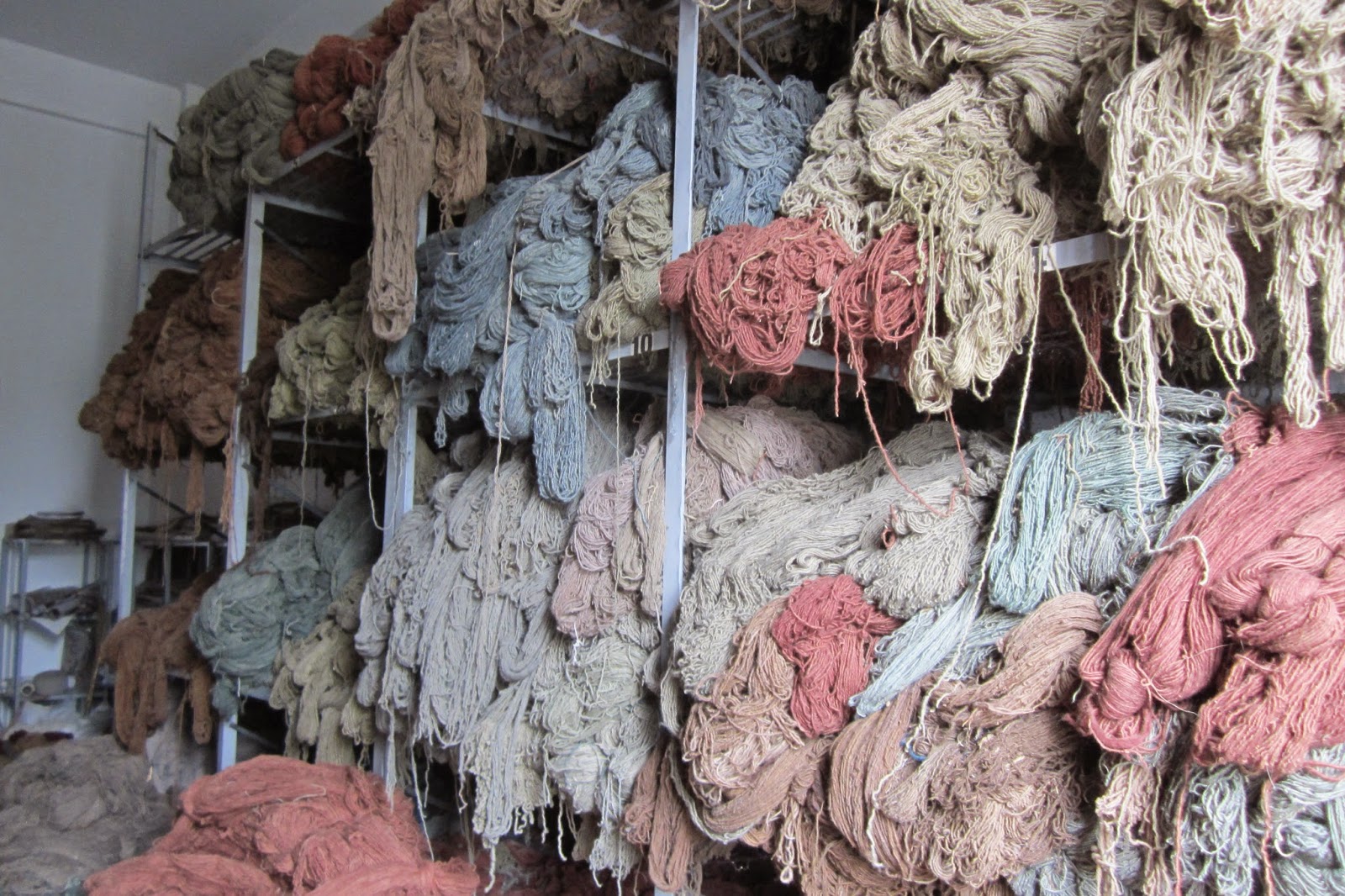
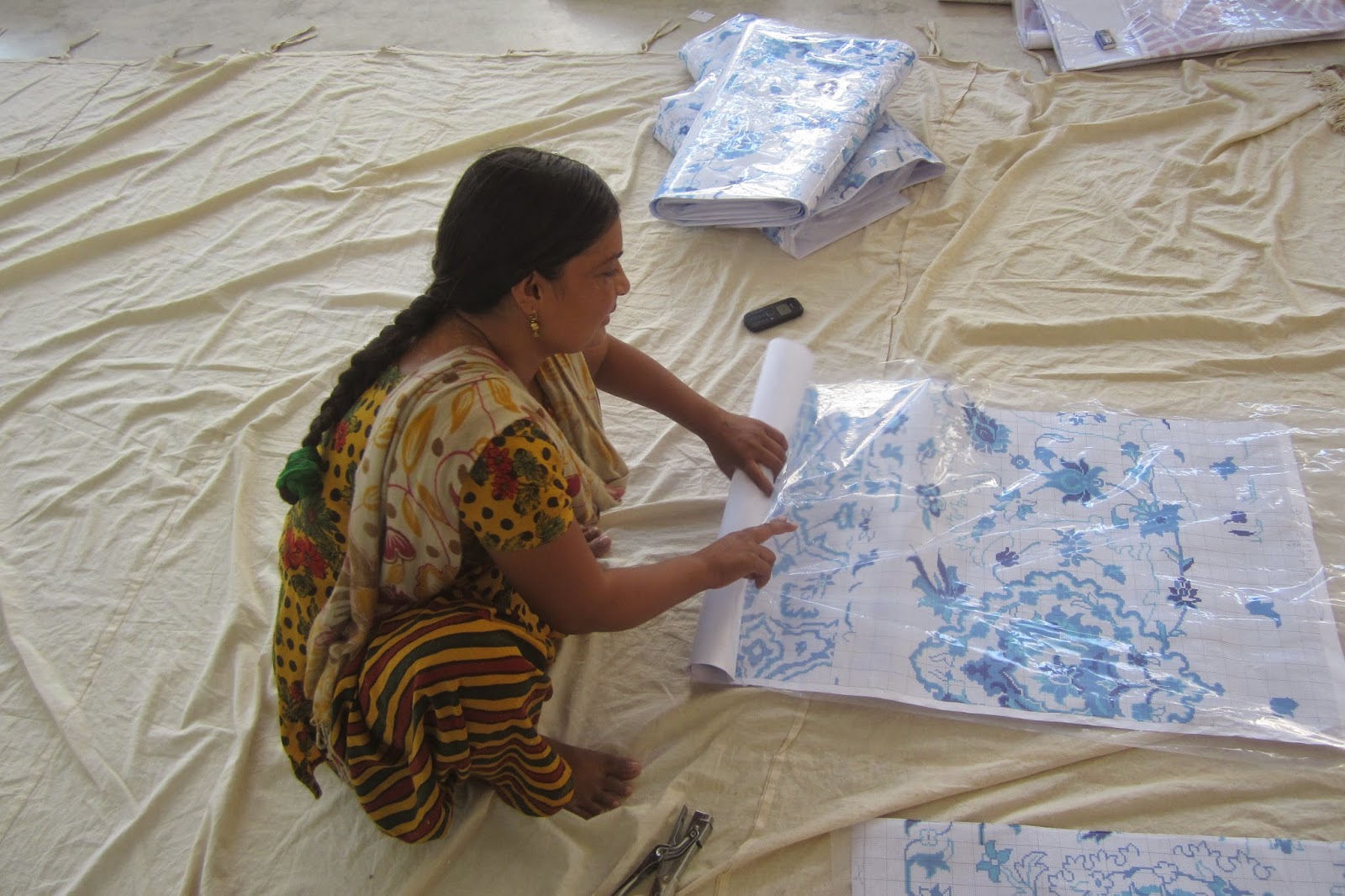
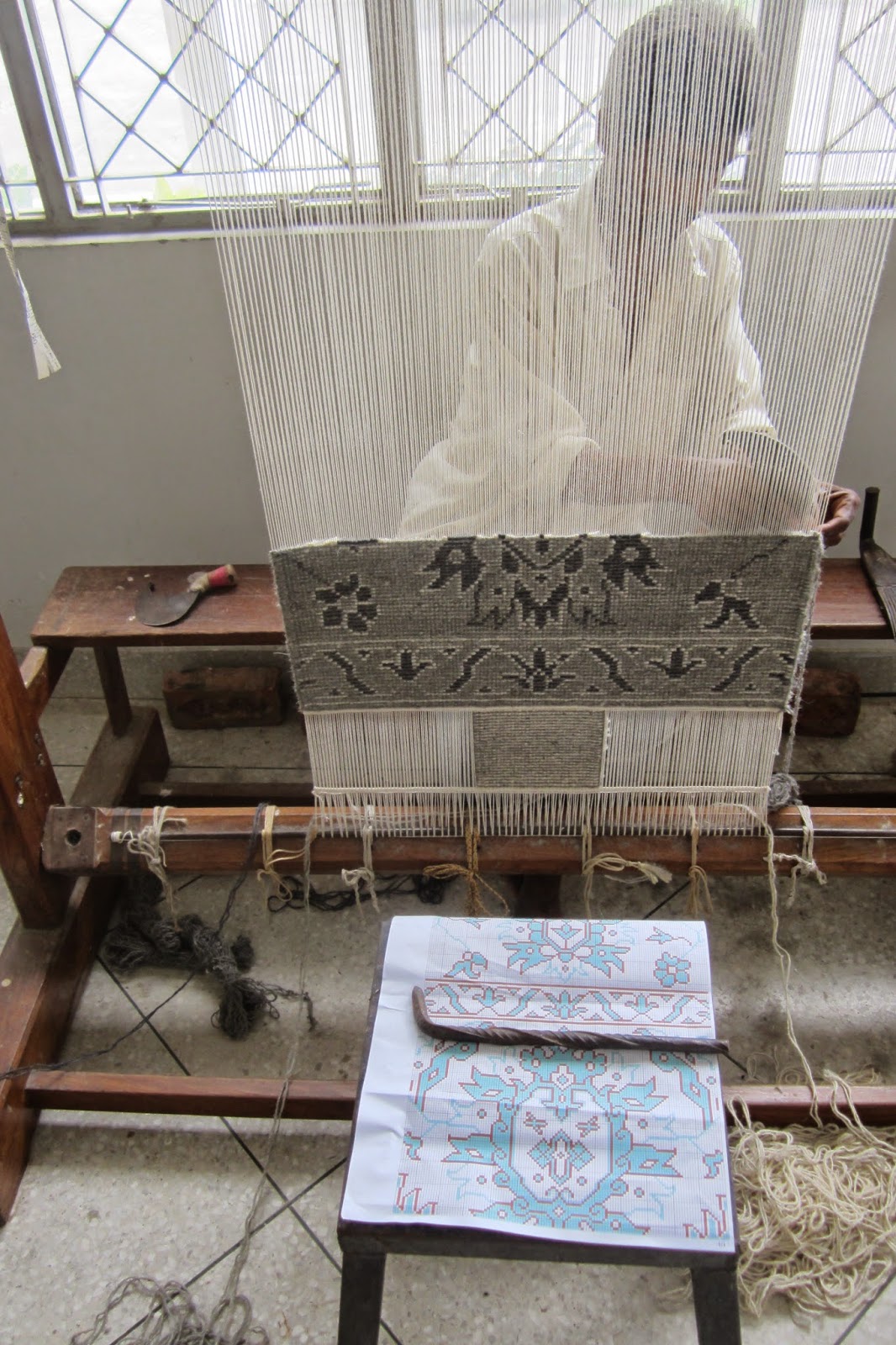
Our rugs are entirely handmade using centuries-old weaving techniques. From the initial design to the final finishing, each rug passes through the hands of many highly skilled artisans and can take months to complete. We carefully select the type of wool, the spinning method, and the knotting or weaving technique to achieve the precise look and feel intended for each design. Every rug is a one-of-a-kind piece of handmade art, and the subtle variations in each piece are a signature of the artisans who created it.
DESIGN
Every rug begins as a detailed design drawn to scale on graph paper. The grid matches the knot density that will be used during weaving. For example, a rug with 10 horizontal and 10 vertical knots per square inch contains 100 knots in every square inch. Each design must be carefully adjusted for every size in which the rug will be produced. The color of every knot is painted directly onto the graph. The finished design, known as a Naksheh, is given to the weaver, who places it on the loom and reads it much like sheet music.
FIBERS
Rugs can be woven using wool, silk, cotton, or synthetic yarn. Most of our rugs are made with New Zealand wool, although we sometimes blend different types of wool to achieve a specific texture or finish. Raw wool arrives in bales and must first be carded to align the fibers. It is then spun into yarn using one of two methods. Machine-spun yarn creates a uniform thickness and produces a smooth, even color in the rug. Hand-spun yarn varies slightly in diameter, giving the rug a softer, variegated, and subtly textured appearance. We use both methods to achieve the different visual and tactile effects found in our collections.
DYEING
Once the wool is spun into yarn, it is dyed to produce color. The wool is sent to specialized dye houses where two types of dyes may be used. Synthetic dyes offer a wide range of colors and can be reproduced consistently. Natural dyes are derived from plants and minerals and create rich, complex tones that are difficult to duplicate exactly. After dyeing, the yarn is dried, bundled, and returned to the weaver, where it is prepared for the loom.
WEAVING
Each rug is woven on a vertical loom. The process begins by preparing the loom with cotton warp threads that run the full length of the rug. These warp threads form the foundation of the rug and later become the fringe. The warp is wrapped as a continuous string and is set up to produce the required knot density (for example, 10 per linear inch). The pile is then tied to the warp threads one knot at a time. After each row of knots is completed, one or two rows of horizontal weft threads are added and packed tightly into place. This process is repeated row by row until the entire design is finished. An 8 × 10 rug in our collections may contain anywhere from 575,000 to more than 1,100,000 hand-tied knots, depending on the knot density and materials used.
FINISHING
Once weaving is complete, the warp is cut at both ends and the carpet is removed from the loom and carefully washed several times. Washing softens the fibers, refines the colors, and removes loose wool. The carpet is then sewn to pipes on all four sides and stretched square using turnbuckles. Once dry, the back of the carpet is starched. The surface is then hand-sheared to achieve the final pile height. Skilled specialists reinforce the edges by adding an additional warp to each side and wrapping it with a needle and thread to create the selvage. Finally, the fringe at both ends is finished, with techniques varying depending on the design and weaving process.